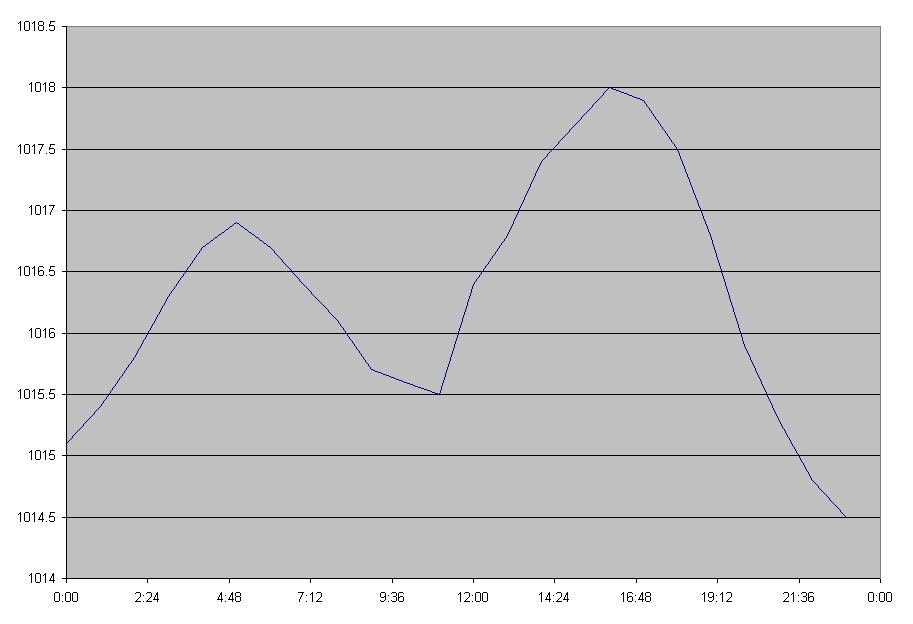
Some time after getting my weather station and viewing graphs of barometric pressure, I noticed that there was a regular daily pulse in the readings. Curious what other regular periods there were, I decided to take my limited data set (July 2006 through November 2007 recorded once a minute) to see what other frequency components there were. Following are graphs of the most significant results.
I did not use an FFT package to analyze the frequencies since I don't have one at hand. Instead, I rolled my own program that essentially works this way:
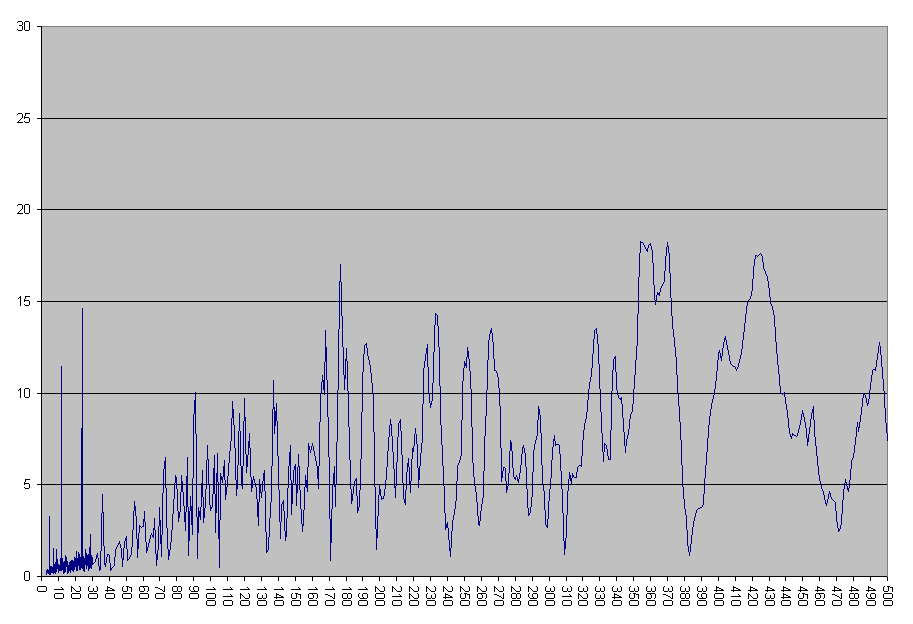
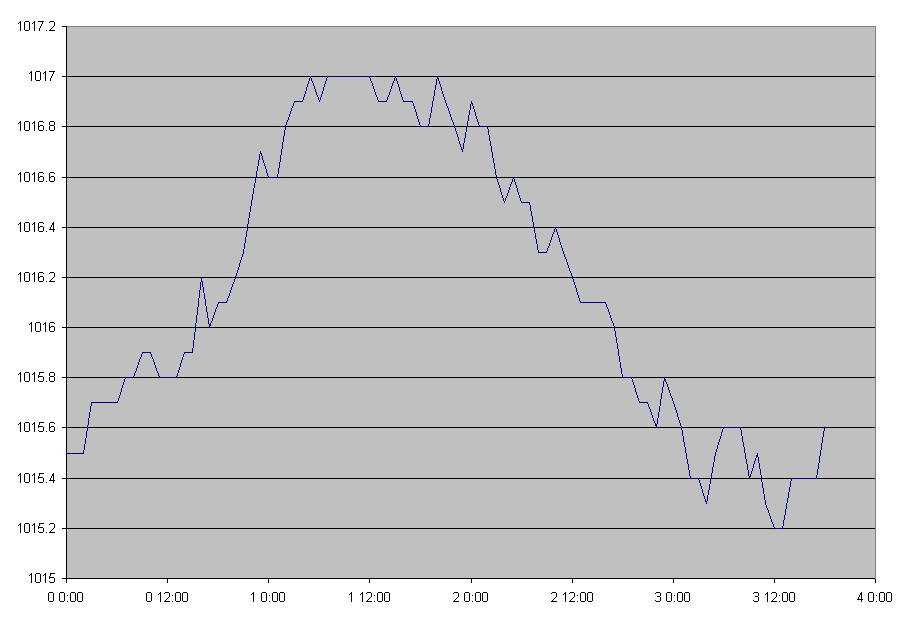
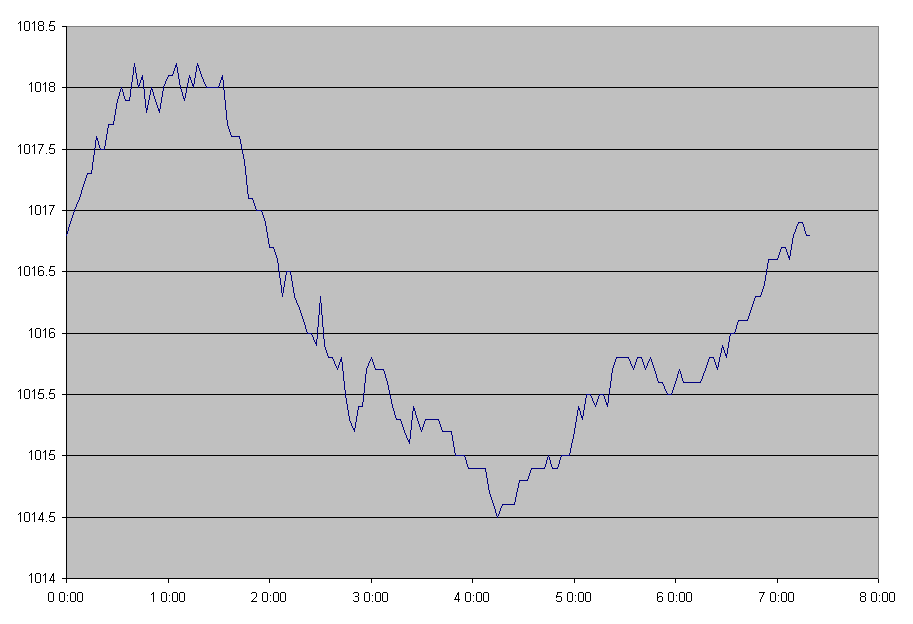
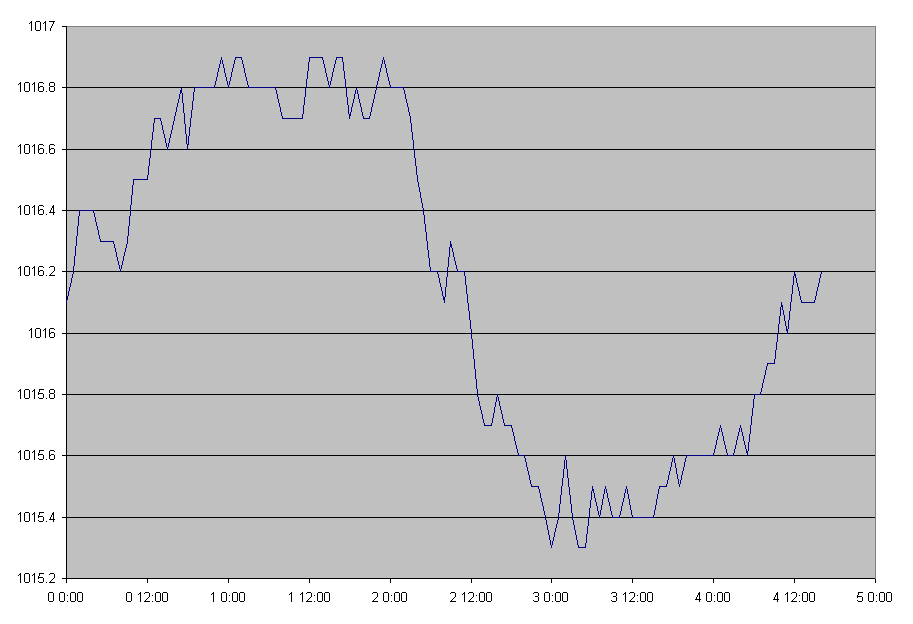
The remaining graphs show the mean values for frequencies of 24 hours, 91 hours, 177 hours, and 133 hours. A 12 hour frequency was also very strong, but since that's clearly visible in the 24 hour graph, I omit it. The longer the period, the less statistically significant the result, since fewer data points are averaged per graph point. In these graphs, the horizontal axis is the frequency. The vertical axis is sea level pressure.